

Why have a garden?
A garden is not just a patch of soil. It is a living classroom, a source of nourishment, and a bridge between generations.
From the very beginning of human history, gardens have represented life, provision, and purpose. In the book of Genesis, the first home described for humanity was a garden — a place of beauty, nourishment, and stewardship. Long before grocery stores and industrial agriculture, families survived, thrived, and connected to the earth through what they grew with their own hands.
There is something profoundly humbling about placing a dry, lifeless-looking seed into the soil and watching it transform. That tiny seed breaks open underground, sends roots downward, pushes a fragile stem upward, and eventually produces food — sometimes hundreds of times greater than what was planted.
This transformation is miraculous. Gardening reconnects us to this natural rhythm of patience, faith, and reward. In a world driven by instant gratification, the garden teaches delayed gratification. You plant today. You water faithfully. You wait. And in time, you harvest.
Real Food, Real Health
Modern diets are increasingly filled with processed chemically preserved products that no longer resemble REAL food. A garden changes that.
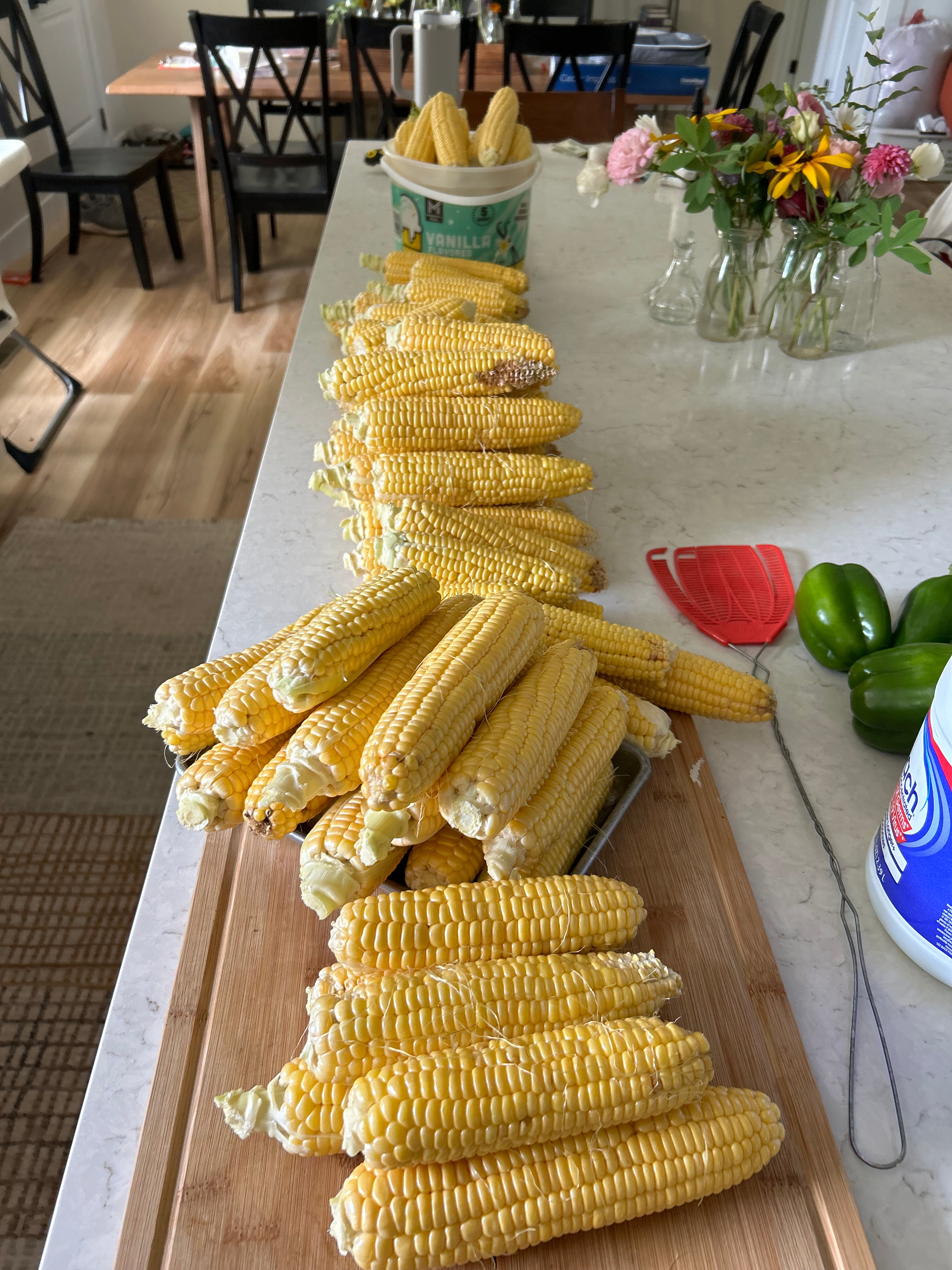
When you grow your own vegetables, you eat food at its peak ripeness — rich in vitamins, minerals, enzymes, and flavor. Fresh tomatoes warm from the sun, crisp lettuce cut moments before dinner, herbs fragrant between your fingers — this is food the way it was intended to be. It’s also the type of food our bodies were intended to digest which leads us towards health not away from it as with processed foods. There is less of a reliance upon grocery stores.
When I am gardening, my body is active- moving, lifting, and squatting. As I am outside in the natural sunlight, my anxiety and stress are reduced which all strengthen my immune system. It is preventative health care growing in your backyard.
Bringing the Family Together
Children who help plant seeds are more likely to eat the vegetables they grow. They learn responsibility by watering daily and checking for weeds. They experience accomplishment when their first cucumber or pumpkin is ready.
Conversations happen differently in a garden. Hands are busy. Phones are down. Generations work side by side. Grandparents/parents teach pruning techniques or demonstrate how to compost. Children ask questions about worms and weather. In a culture that pulls families in separate directions, the garden calls them back to a shared purpose.
Passing Down Survival Skills
For most of human history, knowing how to grow food was not a hobby — it was survival. Skills like saving seeds, rotating crops, preserving harvests, and reading seasonal patterns were essential knowledge passed down from parent to child. Today, many of those skills are disappearing.
Having a garden restores self-reliance, stewardship of the land, patience and perseverance, and problem solving through pests, drought or disease. These are not just gardening skills. They are life skills.
And most importantly, they give the next generation confidence — the quiet assurance that “we know how to provide.”
A Return to Something Foundational
Gardens ground us. They remind us that life comes from the soil. That growth takes time. That nourishment is meant to be cultivated, not merely consumed. In uncertain times, a garden offers stability. In fast times, it offers slowness. In divided times, it offers unity.
You do not need acres of land. A few raised beds. A small backyard plot. Even containers on a balcony can begin the transformation. Plant a seed. Tend it faithfully. Watch what grows — not only in the soil, but in your health, your family, and your future. I’m here to help you get started and cheer you on every step of the way!

